Water Systems That Support Farm Operations
Well Repair and Replacement in Florence for irrigation systems and livestock water supply across agricultural properties
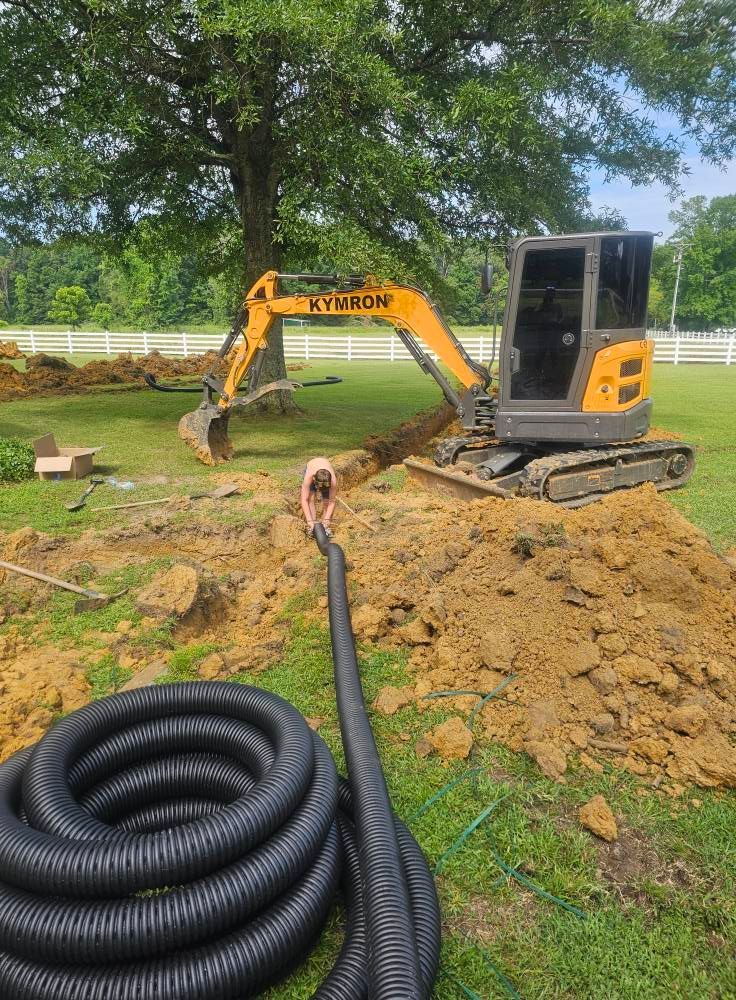
Agricultural water demands differ significantly from household use, with irrigation systems pulling hundreds of gallons per minute during growing season and livestock operations requiring consistent flow regardless of drought conditions. Peters Farms & Equipment co. provides well repair and replacement focused on agricultural well systems that serve irrigation and livestock water supply throughout Florence. When your well can't keep up with field watering schedules or livestock tanks run low during summer, you're dealing with capacity issues that require understanding both the water source and the equipment that moves it to where it's needed.
Tennessee River valley clay soil presents specific challenges for deep well drilling and pump selection, since the clay layers affect both drilling techniques and how water moves through subsurface formations. Agricultural wells often need to reach deeper water-bearing formations than residential wells to sustain the flow rates that irrigation and livestock operations require. Pump selection depends on total vertical lift, required flow rate, and whether the system needs to maintain pressure across long distribution lines that serve multiple watering points or pivot irrigation equipment.
Request an evaluation to assess your current well capacity and determine whether repair or replacement better serves your agricultural water needs.
How Agricultural Wells Are Serviced
Well diagnosis starts with measuring static water level and recovery rate after extended pumping, which reveals whether the problem involves the well itself, the pump, or the water-bearing formation. Flow testing under load shows whether the pump can sustain the rates your irrigation or livestock systems actually demand, and pressure testing across the distribution system identifies whether leaks or undersized piping limit delivery to the endpoints.
Once work is complete, you'll notice consistent water pressure at all delivery points, irrigation systems that maintain proper flow throughout watering cycles, and livestock tanks that fill reliably even during peak demand periods. The system will handle simultaneous draws from multiple locations without pressure dropping below operational minimums, and pump cycling will match actual water usage rather than running constantly because of leaks or control failures.
Well drilling and pump installation timelines depend on geology, since clay formations require different drilling approaches than sand or rock, and reaching adequate water-bearing depth sometimes means working through multiple soil layers. Weather affects drilling operations, particularly when equipment needs stable ground access, and permit requirements for agricultural wells vary based on anticipated daily usage and proximity to existing water sources.
Common Well System Questions
Well system decisions often involve balancing immediate repair costs against long-term capacity needs, particularly when agricultural operations expand or water demands increase beyond what the original system was designed to handle.
What determines whether a well should be repaired or replaced?
Repair makes sense when the well casing and screen remain sound and the problem involves pump failure or control issues. Replacement becomes necessary when the well itself can't sustain required flow rates, when the casing has deteriorated to the point where sand infiltration damages pumps, or when you need greater capacity than the existing well can provide regardless of pump upgrades.
How deep do agricultural wells typically need to be in the Tennessee River valley?
Agricultural wells serving irrigation and livestock often reach 150 to 300 feet to access formations that can sustain high flow rates during extended pumping, since shallow wells in clay soil formations may not recharge quickly enough to support continuous operation during peak demand periods.
What pump characteristics matter most for agricultural water systems?
Flow rate and total dynamic head determine whether a pump can deliver required volumes against the vertical lift and friction losses in your distribution system. Agricultural pumps also need to handle continuous operation during irrigation season without overheating, and motor sizing must account for starting loads and sustained running current.
When should well systems be tested for capacity?
Testing before planting season confirms the system can handle upcoming irrigation demands, and testing after drought periods reveals whether water levels have recovered or whether the well is experiencing longer-term depletion that affects reliability.
How does mobile service capability help with well problems?
Mobile capability means diagnostic equipment comes to your location for flow testing and pump evaluation, and common repairs happen on-site rather than requiring component removal for shop work. For agricultural operations where water system downtime affects livestock care or crop irrigation, on-site service reduces the period between problem identification and restored operation.
Agricultural water system expertise and mobile service capability allow Peters Farms & Equipment co. to address well issues across rural properties where water availability directly affects farm operations. Arrange a site visit to review your specific well system and water delivery requirements.