Site Preparation That Handles Clay Soil Conditions
Excavation in Florence for agricultural projects and construction work in Tennessee River valley clay
Tennessee River valley clay soil presents specific challenges during excavation work that standard equipment and techniques often fail to address properly. Peters Farms & Equipment co. handles earth moving and site preparation with specialized equipment selected for the expansion and contraction characteristics of Alabama clay. The work focuses on agricultural and construction projects where access, equipment capability, and understanding of soil behavior determine whether the job gets done right.
Clay soil in this region binds differently than sandy or loamy soil, requiring different techniques to move material without creating compaction issues that affect drainage and stability later. The excavation process includes evaluating soil moisture content before digging begins, selecting equipment based on the depth and volume requirements, and managing the material in ways that preserve its usability for backfill or grading work.
Schedule a site evaluation to review soil conditions and equipment access for your project.
What Proper Excavation Requires in Valley Clay
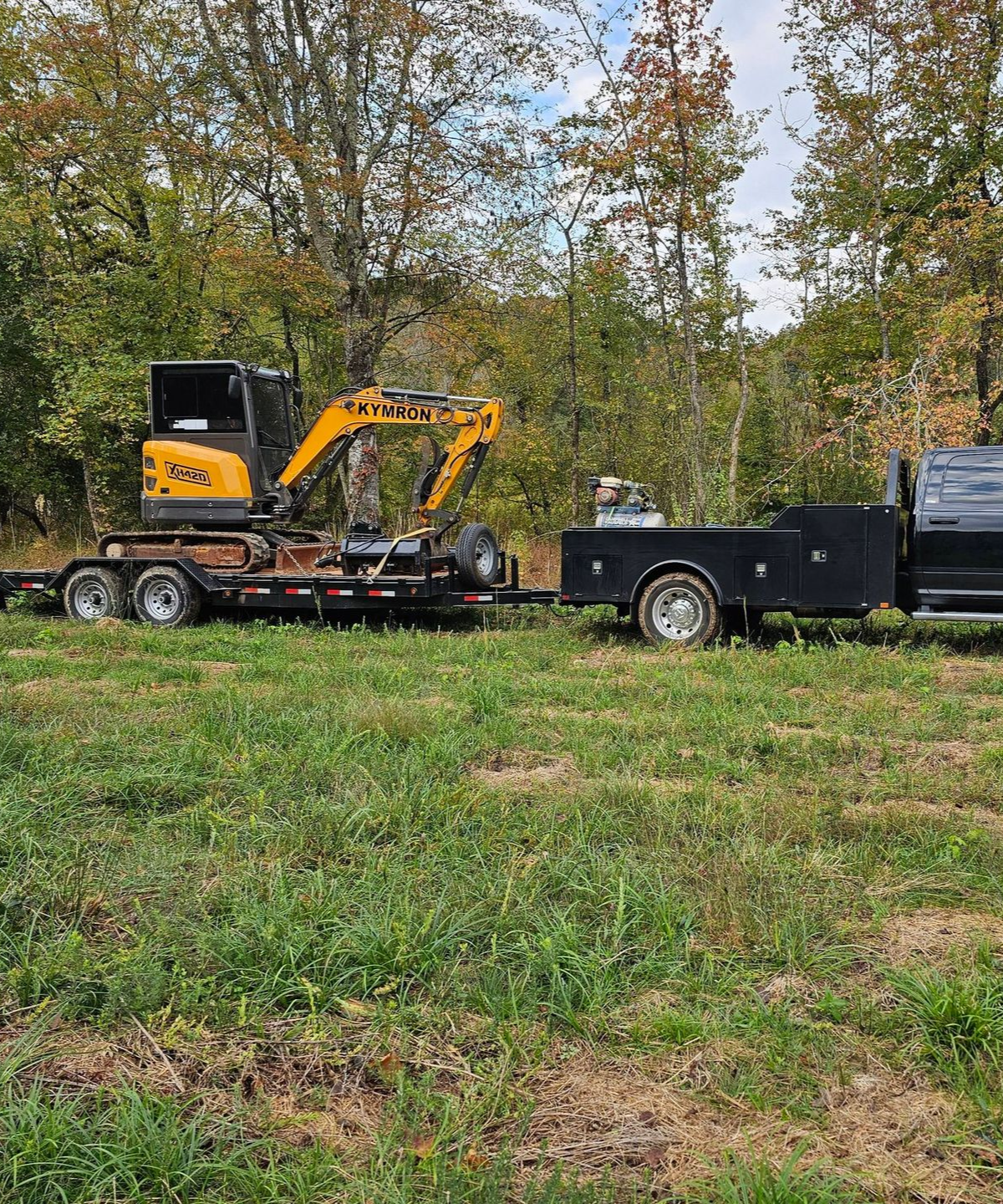
The work begins with assessing the soil composition and moisture levels, which directly affect how the material moves and how equipment performs. Peters Farms & Equipment co. brings mobile equipment to farm locations and construction sites, handling projects where clay soil requires heavier machinery than typical residential excavation jobs. Specialized buckets and blades designed for clay adhesion prevent the soil from binding to equipment surfaces, which slows progress and creates uneven excavation depths.
After excavation is complete, you will see clean cuts to the specified depth with stable sidewalls that hold their shape in dry conditions. The bottom surface will be level and compacted appropriately for the intended use, whether that involves building foundations, drainage installation, or agricultural infrastructure. Material removed during excavation is staged for reuse or hauling, depending on your project requirements and the soil's suitability for backfill.
Agricultural projects benefit from equipment operators who understand farm access limitations, seasonal timing for soil workability, and the need to minimize disruption to surrounding fields. The mobile service capability allows work to proceed at remote sites without requiring equipment transport by the property owner, and scheduling adjusts based on weather conditions that affect clay soil workability.
Questions Before Starting Your Project
Property owners in Florence and the surrounding Tennessee River valley typically ask about timing, equipment access, and how clay soil affects the excavation process before work begins.
What makes Tennessee River valley clay different from other soil types during excavation?
Clay soil expands when wet and contracts when dry, creating challenges for maintaining excavation depth and sidewall stability. Equipment selection and blade techniques must account for the soil's adhesive properties, which cause material to stick to buckets and blades if not managed correctly.
How does weather affect excavation work in Alabama clay?
Excavation proceeds weather permitting because excessive moisture turns clay into unworkable mud that clogs equipment and prevents proper compaction. Dry conditions allow for cleaner cuts and more predictable material handling, making seasonal timing an important consideration for project scheduling.
What equipment is used for agricultural excavation projects?
Heavy-duty excavators, bulldozers, and backhoes selected for their hydraulic capacity and ground pressure distribution handle the dense clay and allow access to farm sites with varying terrain. Mobile service capability means equipment arrives ready to work without requiring on-site transport assistance.
How deep can excavation work go in clay soil conditions?
Depth depends on the soil's moisture content, the excavation's purpose, and whether sidewall stability can be maintained safely. Most agricultural and construction excavation projects range from shallow drainage trenches to building foundations, with each requiring different equipment and techniques.
What happens to the excavated material after it is removed?
Clay soil can be staged on-site for backfill if it meets compaction requirements, or hauled away if the project calls for imported fill material. The decision depends on soil quality, moisture content, and whether the material will support the intended structure or use.
Peters Farms & Equipment co. provides excavation services for agricultural and construction projects where clay soil conditions require specialized equipment and mobile service capability. Contact the company to arrange an on-site assessment of your excavation requirements and equipment access needs.