Clearing That Prepares Land for Farm Operations
Land Clearing in Florence for agricultural conversion and construction site preparation
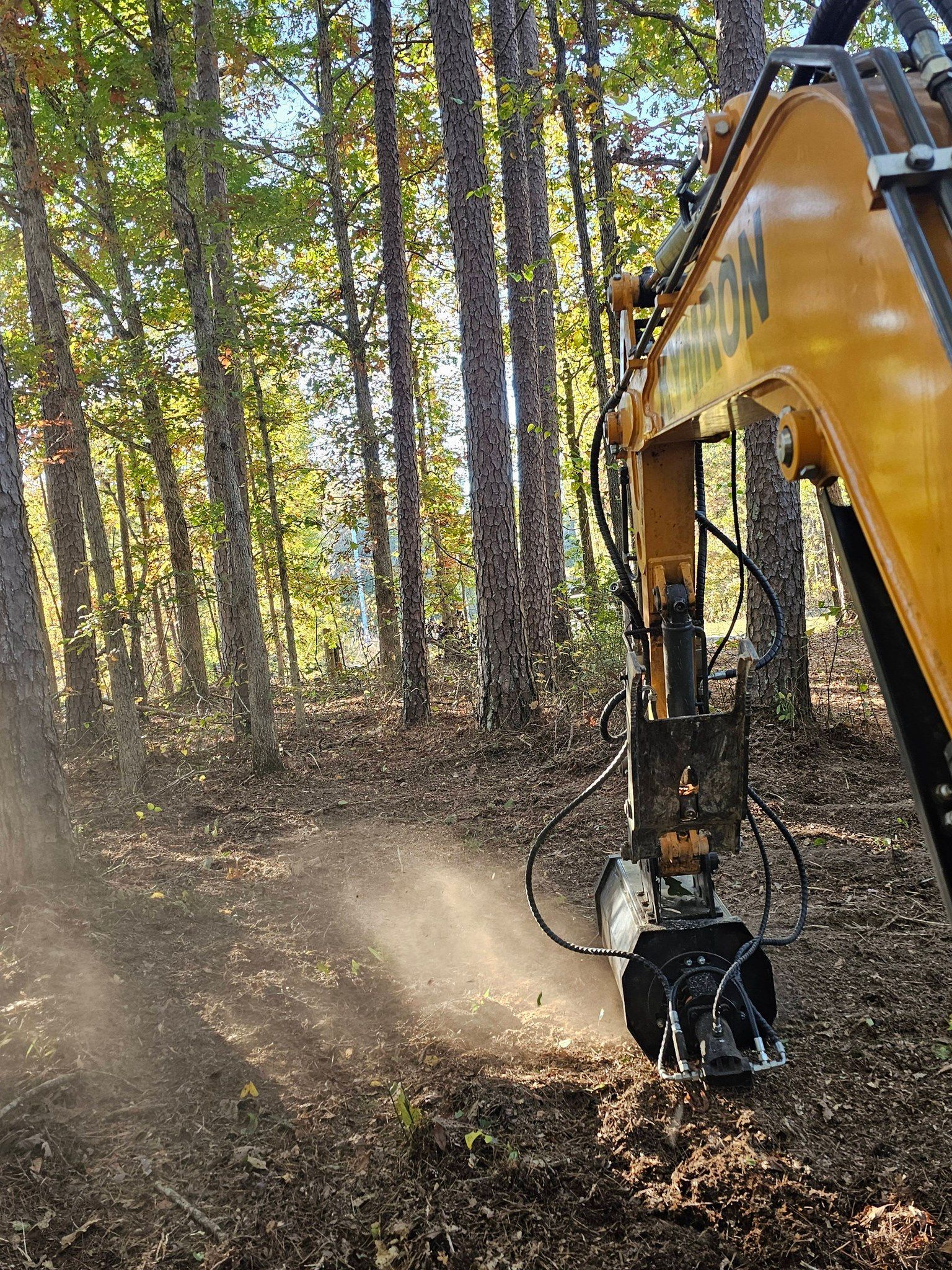
Dense Alabama hardwood growth covers much of the undeveloped land in the Tennessee River valley, creating obstacles for farming operations and construction projects that require open, workable ground. Peters Farms & Equipment co. removes trees, brush, and vegetation using heavy equipment designed for selective clearing or complete land conversion, depending on the property owner's intended use. The work focuses on agricultural land preparation where understanding farm operation needs determines how clearing is approached and what vegetation remains.
Clearing involves cutting trees at ground level, removing stumps and root systems that interfere with equipment operation, and processing vegetation into manageable material for disposal or on-site use. Selective clearing preserves specific trees or boundary vegetation while opening the interior land, whereas complete clearing removes all growth to prepare the site for building construction or field establishment.
Request a property assessment to determine clearing requirements and equipment access for your land.
How Land Clearing Addresses Dense Hardwood Growth
The process begins with evaluating the vegetation density, tree size, and root structure to determine equipment needs and clearing methods. Heavy-duty machinery handles Alabama hardwoods that residential clearing equipment cannot remove efficiently, particularly when dealing with mature oak, hickory, and pine trees common to the region. Stump removal follows tree cutting when the land will be graded or farmed, as roots left in place interfere with tillage equipment and create uneven ground that affects drainage.
Once clearing is finished, the land will be open and accessible for farm equipment, with stumps removed to a depth that allows normal field operations. Vegetation debris is processed into chips for mulch, burned in controlled piles where regulations permit, or hauled away depending on the project scope. The ground surface will show where trees stood but will be level enough for grading work or immediate use if the project does not require further soil preparation.
Agricultural land conversion requires understanding how cleared land will be used, which affects decisions about topsoil preservation, drainage patterns, and whether boundary vegetation should remain for windbreaks or property lines. Mobile service capability allows Peters Farms & Equipment co. to reach remote farm properties without requiring the landowner to arrange equipment transport, and work proceeds based on seasonal conditions that affect ground stability and access.
Answers to Frequent Service Questions
Landowners converting property for agricultural use or preparing construction sites typically want to know about equipment capabilities, material disposal, and timing before clearing begins.
What is the difference between selective clearing and complete land clearing?
Selective clearing removes specific trees and brush while preserving boundary vegetation or desirable hardwoods, often used for pasture establishment or building sites with natural landscaping. Complete clearing removes all vegetation to prepare land for row crop farming, equipment yards, or construction projects requiring bare ground.
How are tree stumps removed during the clearing process?
Heavy equipment digs out root systems to a depth that prevents interference with farm equipment or grading work. Stump grinding is used for shallow removal when roots below plow depth can remain, but agricultural clearing typically requires complete extraction to allow normal field operations.
What happens to the trees and brush removed during clearing?
Vegetation is processed on-site into chips for mulch, cut into firewood lengths if the wood has value, or burned in controlled piles where local regulations allow. Some projects require hauling all material off-site, which affects project cost and timeline.
Can land clearing work proceed during wet conditions in Florence?
Heavy equipment creates ruts and soil compaction when the ground is saturated, so clearing proceeds weather permitting to avoid damaging the site. Dry conditions allow equipment to move across the property without excessive soil disturbance, preserving the land's usability for farming or construction.
How long does it take to clear land for agricultural use?
Timeline depends on vegetation density, tree size, property size, and whether stumps must be removed or can remain. Dense hardwood stands with large stumps take longer to clear than brushy growth with small trees, and remote site access can extend project duration.
Peters Farms & Equipment co. specializes in agricultural land clearing where heavy equipment and farm operation experience determine project success. Schedule a site visit to review vegetation density and discuss clearing methods appropriate for your intended land use.