Complete Mechanical Service for Agricultural Machinery
General Mechanical Repair in Florence for farm equipment experiencing mechanical failures from demanding field conditions
Dusty Alabama field conditions infiltrate engine air systems, humid climate corrodes electrical connections, and sustained high-load operation wears components faster than consumer equipment experiences. General mechanical repair from Peters Farms & Equipment co. addresses engine problems, hydraulic system failures, transmission issues, electrical malfunctions, and structural repairs on farm equipment operating in conditions that accelerate wear and reveal design weaknesses. Your machinery needs service from someone who understands how agricultural use differs from occasional operation.
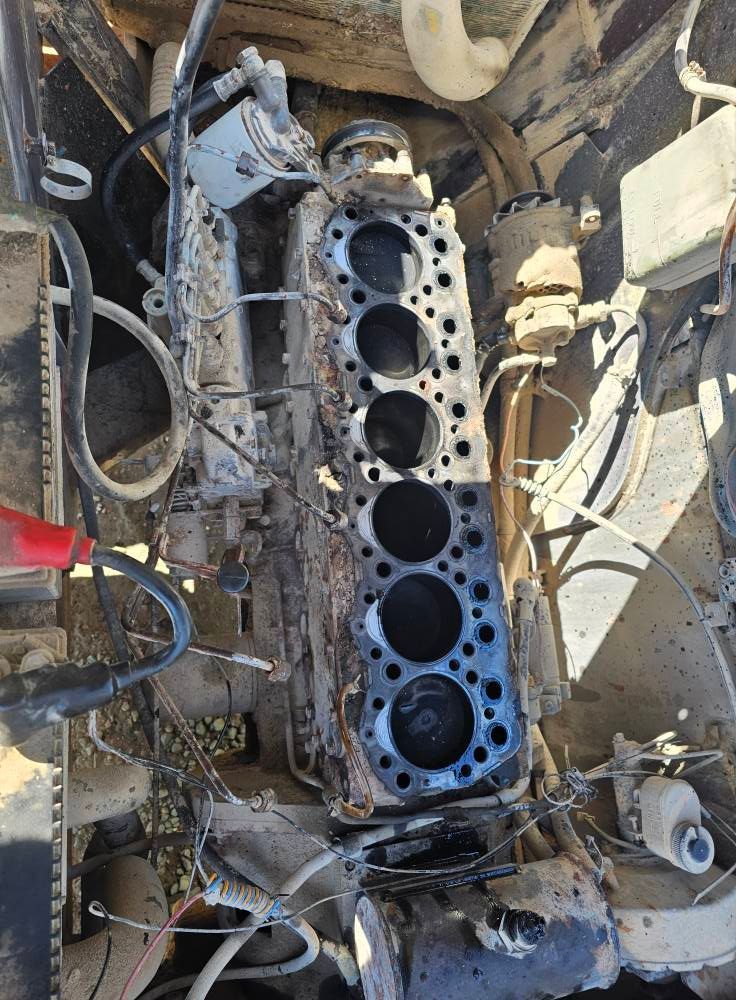
Comprehensive mechanical service covers everything from cylinder head rebuilds to hydraulic pump replacement, starter and alternator service to implement control repairs. Mobile service capability brings diagnostic tools and repair equipment to your location when possible, or shop facilities handle complex work requiring controlled environment and specialized tooling. You get accurate diagnosis before parts orders, proper repairs rather than temporary fixes, and documentation for equipment history.
Request diagnostic evaluation when equipment shows performance decline, unusual noises, or operational problems before minor issues become major failures.
What Changes After Mechanical Work Completes
Diagnosis identifies specific component failures through pressure testing, electrical measurement, compression checks, and systematic isolation of problem systems. Engine work addresses valve train wear, bearing problems, cooling system failures, and fuel delivery issues. Hydraulic repair tackles pump wear, valve malfunction, cylinder leaks, and contamination problems. Electrical service traces voltage drops, tests sensor function, and replaces corroded connections that cause intermittent failures.
Your equipment operates reliably again with proper power delivery, responsive hydraulic controls, and electrical systems that function consistently. An engine runs smoothly without overheating or power loss. Hydraulics respond predictably without sluggish operation or drifting cylinders. Transmissions shift properly without grinding or slipping. The repairs address root causes rather than symptoms, preventing repeated failures of the same components.
Peters Farms & Equipment co. applies agricultural equipment experience to mechanical problems, recognizing failure patterns specific to farm machinery rather than treating everything like automotive repair. Work quality affects equipment reliability during seasonal operations when breakdowns cost more than repair bills. Parts selection balances immediate cost against durability under actual operating conditions—factory specifications when appropriate, upgraded components when field experience shows improvement opportunities.
What Property Owners Usually Ask
Mechanical repair decisions involve trade-offs between repair costs, equipment age, and operational requirements that vary with each situation.
What mechanical problems justify repair versus equipment replacement?
Major repairs make sense when the rest of the machine shows reasonable condition and replacement cost far exceeds repair investment. Age alone doesn't determine repair viability—overall equipment condition and expected remaining service life matter more.
How does agricultural mechanical repair differ from automotive service?
Farm equipment operates at sustained high loads rather than intermittent use, runs in dusty and wet conditions, and uses hydraulic systems far more complex than automotive applications. Diagnostic approach and parts selection reflect these differences throughout the repair process.
When should scheduled mechanical service happen beyond routine maintenance?
Performance changes like power loss, unusual noises, fluid leaks, or operational inconsistency indicate developing problems worth addressing before complete failure occurs. Catching issues early typically reduces total repair cost compared to breakdown repairs.
What diagnostic steps identify mechanical problems accurately?
Testing begins with operator description of symptoms, then moves through visual inspection, measurement of pressures and voltages, comparison to service manual specifications, and systematic isolation of problem areas. Proper diagnosis prevents replacing components that aren't actually failed.
How do field conditions in the Florence area affect mechanical wear patterns?
Dusty conditions during dry periods accelerate air filter loading and increase abrasive wear on engines, while humid climate promotes corrosion in electrical systems and moisture contamination in fluids. These regional factors influence both failure patterns and preventive maintenance requirements.
Peters Farms & Equipment co. provides mechanical repair capability backed by agricultural equipment expertise and mobile service for on-site work, weather permitting. Schedule evaluation when equipment performance declines so problems get addressed before failures occur during critical farm operations.