Soil Conservation That Maintains Equipment Access
Erosion Control in Florence for agricultural land and construction sites affected by Tennessee River valley runoff patterns
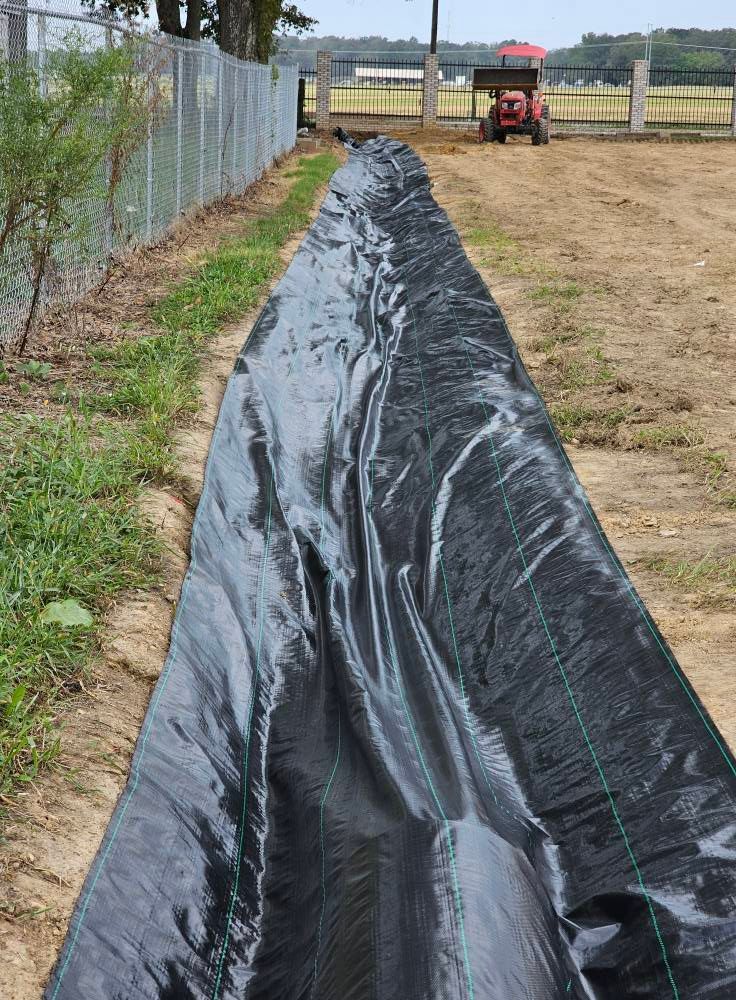
Tennessee River valley topography channels runoff across agricultural land in patterns that concentrate flow, cutting gullies through fields and washing away topsoil that took decades to build. Heavy rain events overwhelm undersized waterways, and poorly planned drainage sends sediment onto roads or into ditches where it blocks culverts and creates maintenance problems. Peters Farms & Equipment co. handles erosion control and slope stabilization for agricultural and construction sites throughout Florence, implementing solutions that manage water movement while preserving equipment access for planting, harvest, and field maintenance. When you're losing productive soil to erosion or dealing with washouts that interrupt farm operations, the solution involves redirecting water to stable discharge points and stabilizing slopes before more damage occurs.
Effective erosion control starts with identifying where water concentrates during runoff events, then designing waterways, terraces, or retention structures that slow flow velocity and spread water across wider areas. Grass waterways need proper shaping and establishment to handle expected flow without eroding further, and grade control structures prevent headcutting that works upstream from initial failure points. Solutions must balance erosion prevention with practical equipment access, since waterways and berms that can't be crossed during field operations create inefficiencies that reduce usable acreage or complicate harvest logistics.
Arrange a site evaluation to identify specific erosion patterns and determine appropriate stabilization measures for your property.
How Erosion Solutions Protect Cropland
Site assessment involves walking the property during or immediately after rain to see where water flows and where it concentrates enough to cause damage. Slope measurements and drainage area calculations determine the capacity that waterways or control structures need to handle expected runoff, and soil type affects both erosion susceptibility and what stabilization methods will establish successfully. Heavy equipment capability allows construction of properly sized waterways, installation of grade control structures, and shaping of slopes to shed water without concentrating flow into erosive patterns.
Once work is complete, you'll notice that runoff follows established paths rather than cutting new gullies, slopes remain stable instead of slumping after heavy rain, and sediment stays on your property rather than washing onto roads or neighboring land. Fields will have crossable waterways or terraces that don't create obstacles during equipment operation, and discharge points will release water at velocities that won't cause downstream erosion or sedimentation problems.
Vegetation establishment requires time and favorable weather, since grass waterways and slope plantings need sufficient moisture to root properly before they can handle significant runoff. Some solutions involve multiple construction phases, with initial earthwork followed by seeding and mulching, then potential adjustments after the first major rain event reveals how well the design handles actual flow patterns. Projects often get scheduled between crop cycles to minimize interference with planting or harvest activities.
Erosion Control Answers for Property Owners
Erosion questions typically focus on stopping damage without creating new problems, particularly when solutions need to fit within working agricultural landscapes where equipment movement and field access can't be significantly restricted.
What causes erosion to worsen suddenly after years of stability?
Changes in upslope land use that increase runoff volume, extreme rainfall events that exceed previous flow patterns, or initial gully formation that concentrates water into erosive channels all accelerate damage once erosion starts. Clay soil holds together until flow velocity reaches a threshold, then erodes rapidly once that threshold is exceeded during major storms.
How do agricultural erosion solutions differ from residential approaches?
Agricultural solutions must accommodate field equipment crossing waterways and working around terraces, requiring wider structures and gentler slopes than residential yards need. Equipment access considerations affect structure placement and design, and solutions often protect larger drainage areas with higher flow volumes than typical residential sites.
When should erosion control work be completed relative to crop schedules?
Earthwork and seeding are best completed before planting season so vegetation has time to establish before summer storms, or after harvest when fields are accessible and equipment movement won't damage new installations. Weather permitting, fall work allows time for root establishment before winter, though spring construction can succeed if followed by adequate rainfall.
What maintenance do erosion control structures require?
Grass waterways need periodic mowing and inspection for gullies that indicate inadequate capacity or poor establishment. Grade control structures require checking after major storms to verify they're functioning as designed, and sediment basins need cleanout when accumulated material reduces storage capacity. Equipment crossings may need rock reinforcement if repeated traffic causes rutting.
How does mobile equipment capability affect erosion control projects?
Mobile heavy equipment allows work to proceed across large properties without delays involved in moving rented machinery between sites. For projects requiring multiple types of earth-moving equipment, having necessary capability on-site reduces coordination complexity and allows adjustments based on conditions encountered during construction.
Agricultural conservation experience and heavy equipment capability position Peters Farms & Equipment co. to address erosion problems on working farms where soil protection must align with operational access requirements. Set up a property visit to review erosion patterns and discuss appropriate stabilization approaches for your specific situation.